Impactsoon Aboutsoon Work With Us
Working in Kenyan agri-food systems since 2011

Capability that
stays in the field.

CropCare designs and delivers programmes that strengthen enterprises, institutions and food systems, from diagnostics and coaching to market systems and evidence, carried all the way to handover.
Work With Us
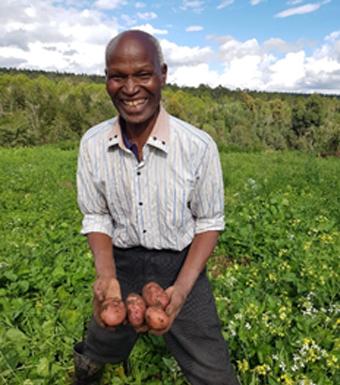
Farmer in a field
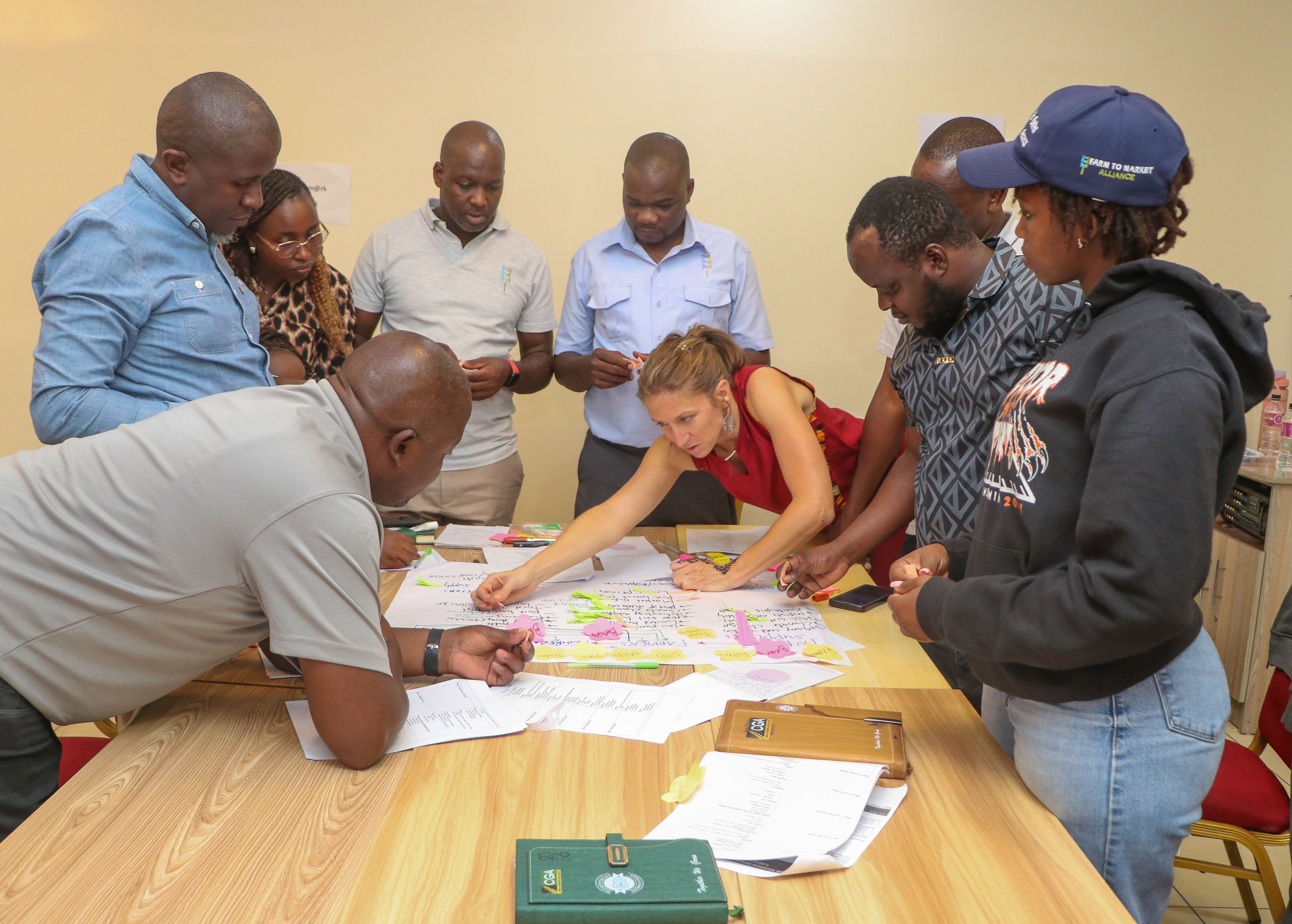
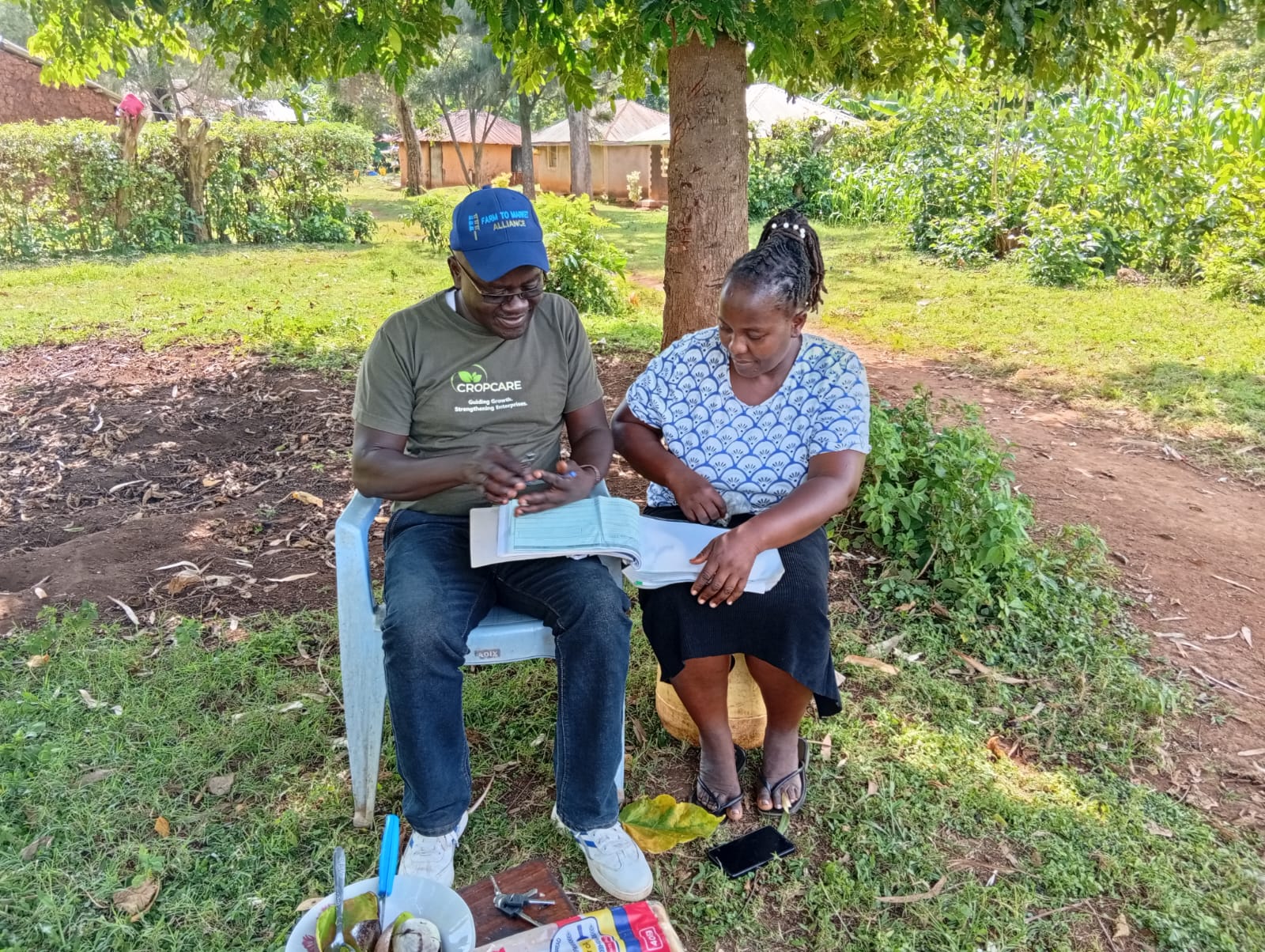
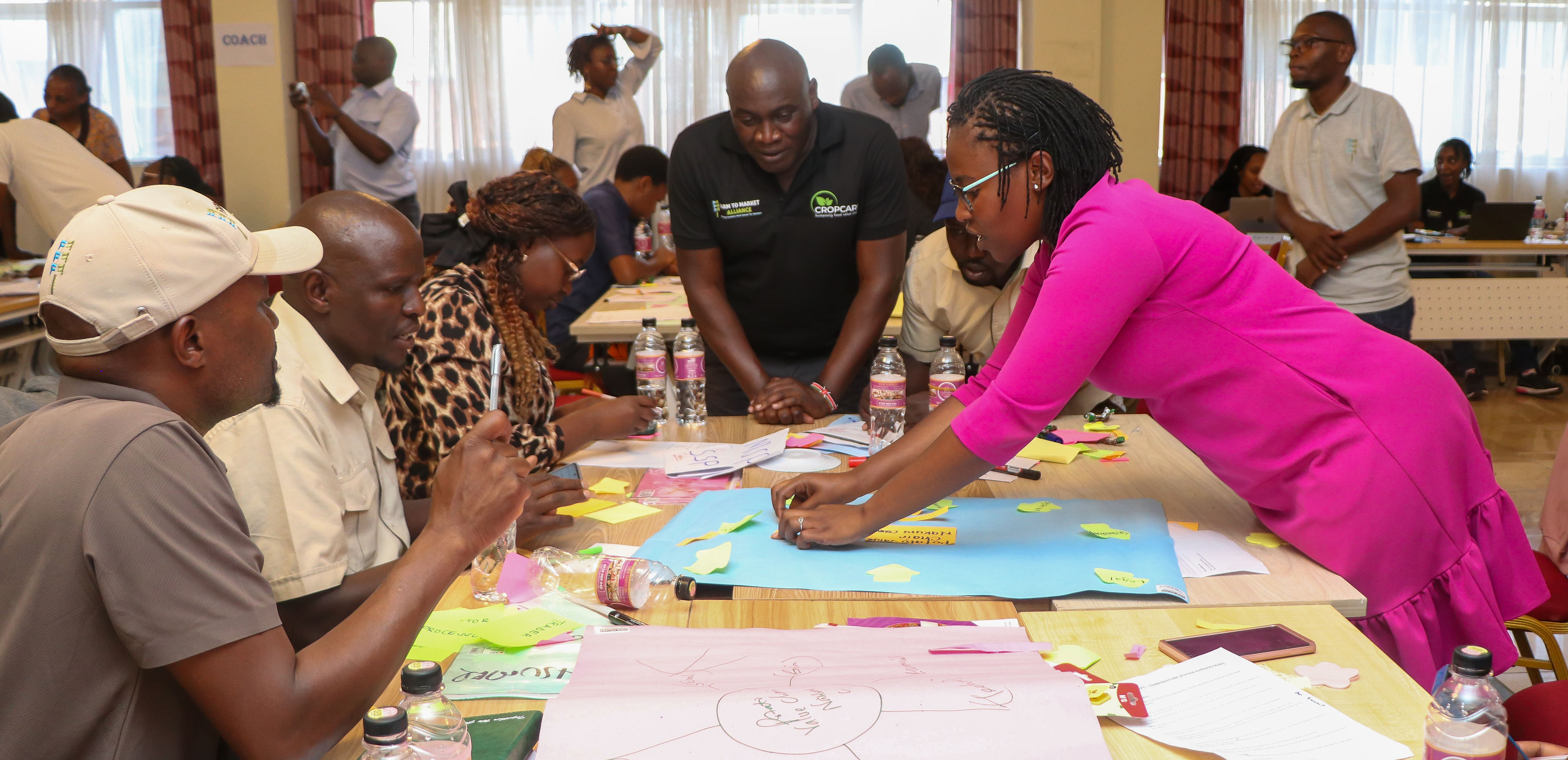
Coaching session
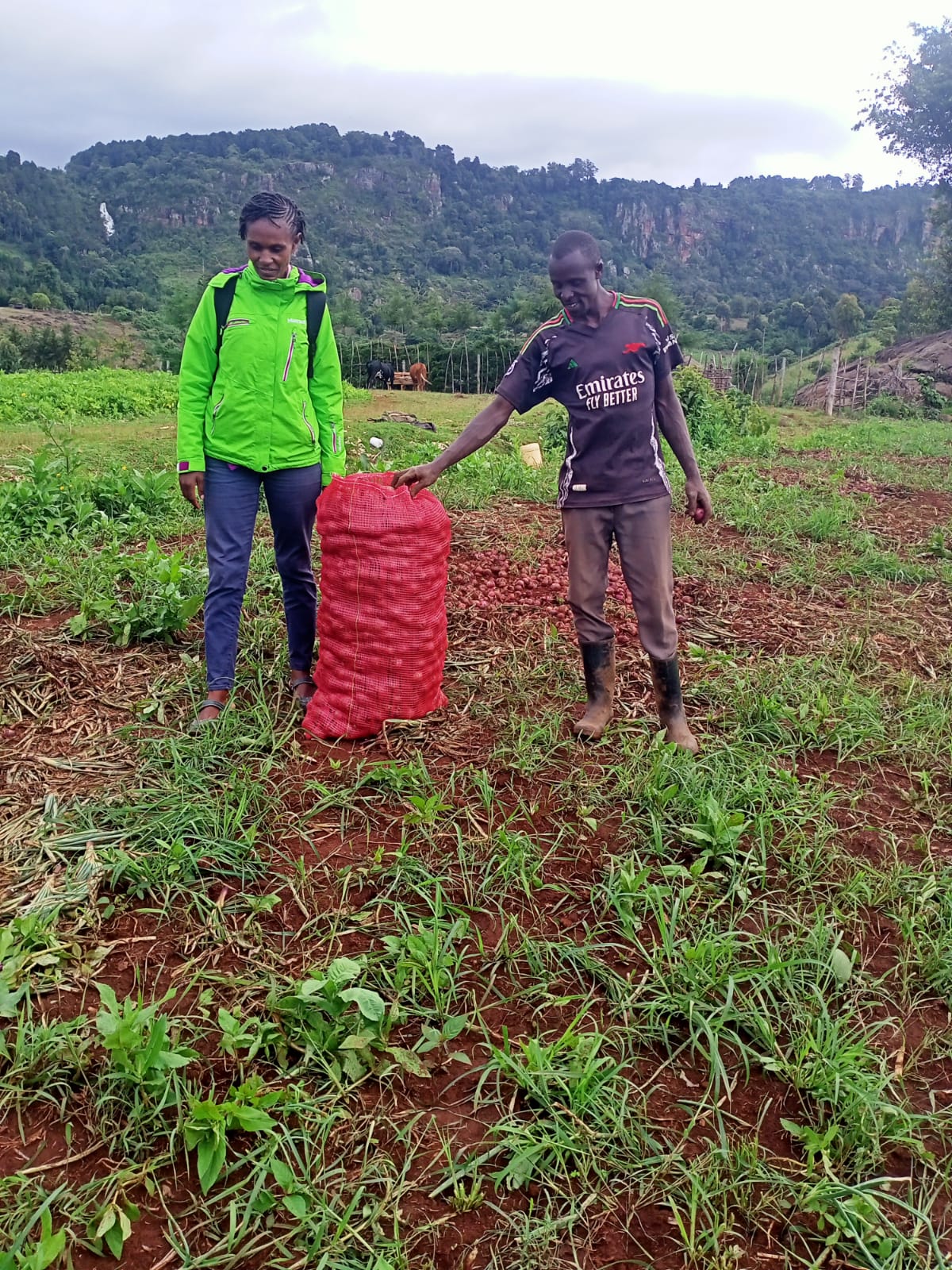
On field

The BDEC programme, in numbers

FtMA / CGA · 2025–26 · CropCare as implementation partner
{{ n191 }}
Farmer Service Centres supported in 13 counties
{{ n1104 }}
Coaching sessions recorded
{{ n1719 }}
Learning modules completed
{{ n32 }}
Training events delivered
{{ n65284 }}
Farmers reached
Why organisations work with us

Four situations that need more than a workshop

Programmes that need implementation discipline

Multi-location delivery, quality assurance, recovery when targets slip, and a closure that actually hands something over.

Enterprises that need capability and market orientation

Businesses that have attended training but have not changed how they buy, sell, price, record or plan.

Institutions that need stronger systems

Associations, BMOs and programme teams carrying strategy, governance or trainer systems that depend on individuals.

Food systems that need adoption, not demonstration

Technical innovation that has been proven but has not yet translated into practice, enterprise value or market demand.

What we do

Six capability areas, one cycle

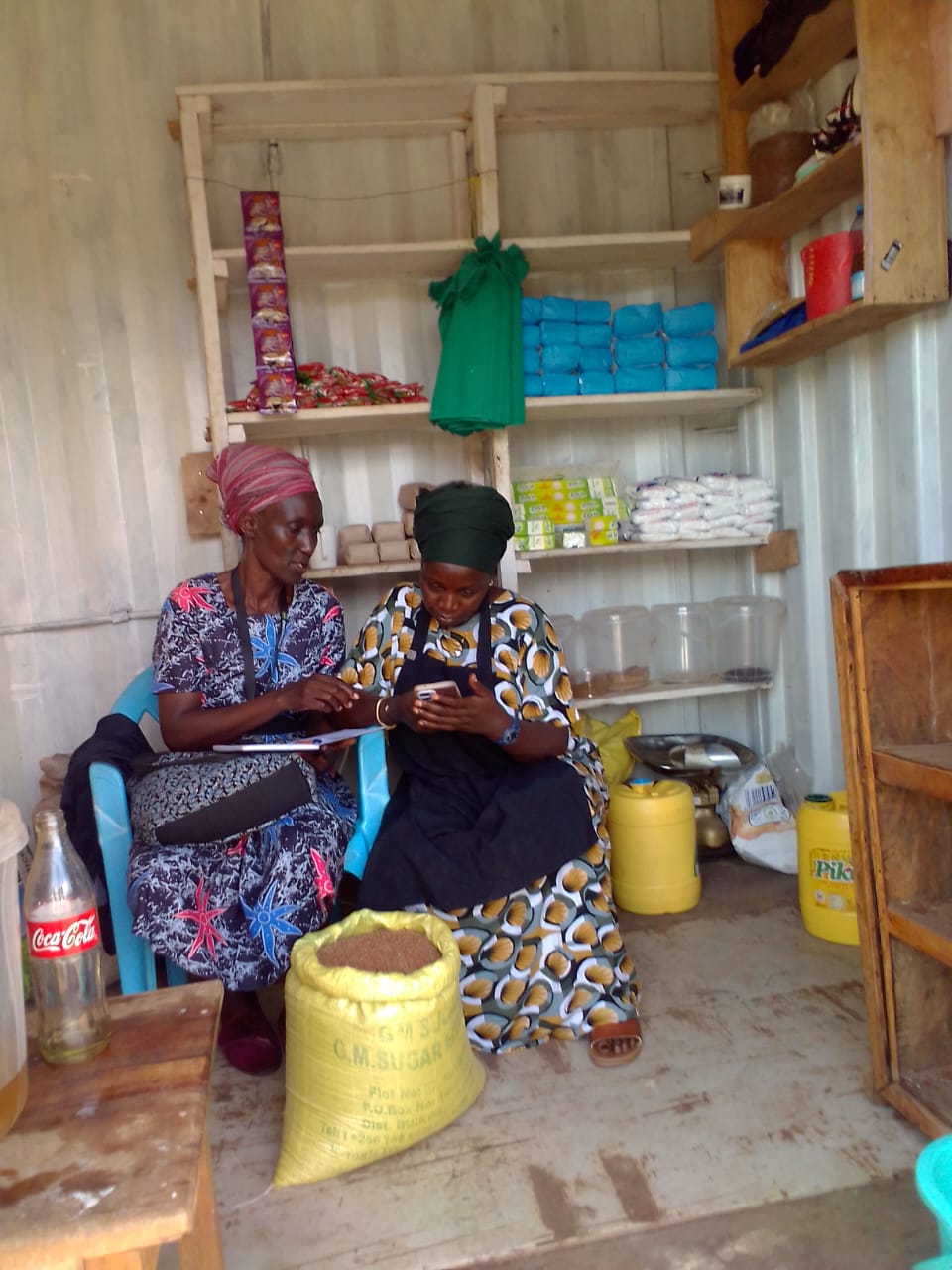
Small enterprise owner at her shop counter
02
Enterprise Development & Coaching

Enterprise diagnostics, business action plans, BDS, coaching and mentorship, accelerator journeys and graduation readiness.

Market trader at a fresh produce stall
03
Market Systems & Partnerships

Value-chain analysis, agribusiness clusters, market linkages, partnership facilitation and service or finance linkages.

Community group standing together
04
Organisational & Institutional Development

Organisational diagnostics, strategy facilitation, governance, leadership, staff capability and trainer or academy systems.

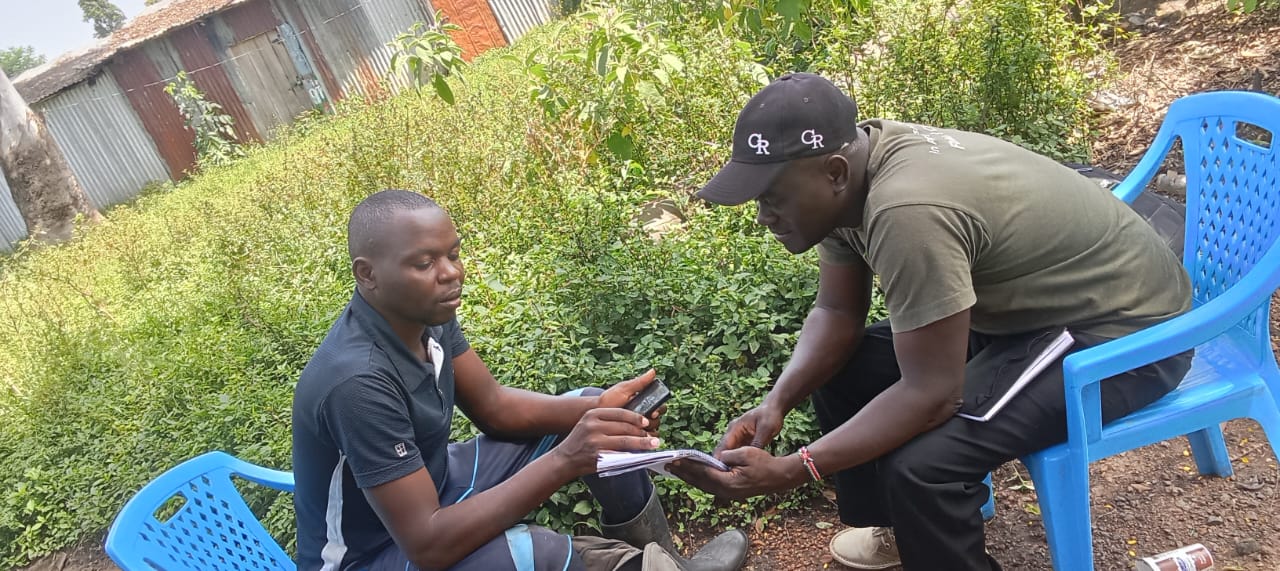
Recording data on a device in the field
05
Evidence, Learning & Digital Systems

Baseline to endline assessment, evidence frameworks, coaching journals, tracking dashboards and adaptive management.

Farmer examining crop in the field
06
Sustainable Food Systems & Agricultural Innovation

CSA and regenerative practice, crop protection, food safety, traceability, post-harvest, mechanisation and technology adoption.

How we work

One delivery cycle, seven disciplines

{{ stepIndexLabel }}
{{ stepName }}
{{ stepHeadline }}

{{ stepBody }}

{{ point }}
From the field

“Before the coaching we sold whatever came. Now we plan stock against what buyers actually ask for, and the books tell us if it worked.”

Farmer Service Centre operator, BDEC cohort
Mr. Kiptanui Boaz
Produce at market
Our work

Programmes we were trusted to deliver
Training session
In progress · 2026
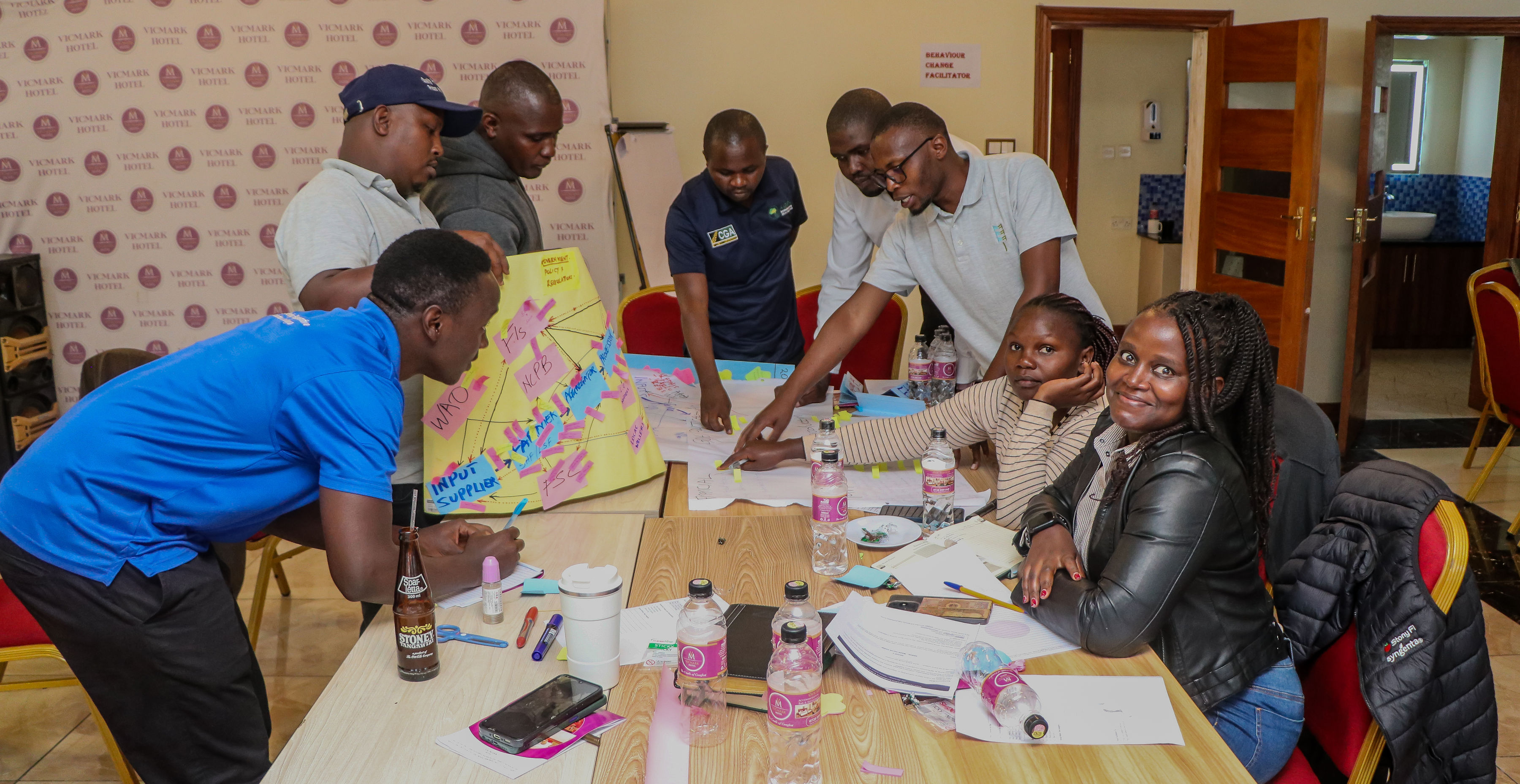
Sustainability Accelerator: what continues after closure

Needs assessment, training of trainers and BootCamps designed so enterprise support survives the end of the programme.

Fresh vegetables
Market systems · historic
An inclusive supply chain for safe, traceable vegetables

Food safety, MSME and farmer support and market linkages built with 2SCALE and Neighbourhood Freshmart.

Clients, implementation partners and collaborators
Farm to Market Alliance
Cereal Growers Association
Devligence
IFDC
Neighbourhood Fresh Mart
RTI International
Syngenta Foundation for Sustainable Agriculture

Insights

All insights →
/ what-we-do / programme-design-implementation
Capability 01 of 06

Programme Design & Implementation

We take responsibility for disciplined implementation - from the first needs assessment to the handover that lets someone else carry the work.

Discuss an assignment
Programme facilitation
The challenge

A funded programme is not the same as a delivered one

Programme leads rarely need another curriculum. They need a partner who can mobilise trainers across counties, hold quality when sessions run in parallel, notice early that a cohort is slipping, and close out in a way that leaves systems behind.

That is implementation work, and it is where most programmes lose value.

Typical engagement formats
Full programme implementation contract
Needs assessment and programme design
Training of trainers and trainer mobilisation
Delivery QA and performance recovery
Closure, transition and handover support

What CropCare provides

Needs assessment

Rapid or structured assessment of the capability gap, the actors involved and what the programme can realistically change.

Programme architecture

Delivery model, sequencing, cohort structure, learning design and the evidence the programme will generate.

Trainer mobilisation and ToT

Recruiting, training and standardising facilitators and coaches so delivery quality does not depend on one person.

Multi-location delivery

Scheduling, logistics, facilitation and field coordination across counties, with one reporting spine.

Quality assurance and recovery

Session observation, participation tracking and a defined route back when a cohort or county falls behind.

Closure and transition

Endline, learning synthesis, documentation and handover of tools, records and relationships to the institution that continues.

Proof

Evidence from work CropCare was contracted to deliver.

/ our-work / bdec-farmer-service-centres
Case study · flagship

Turning Farmer Service Centres into businesses that hold

CropCare was the implementation partner for the Business Development and Enterprise Coaching programme delivered with FtMA and the Cereal Growers Association across 13 counties.

Client / partners
FtMA · Cereal Growers Association
CropCare role
Implementation, coaching and evidence partner
Period
2025–2026
Geography
13 counties, Kenya
Grain handling
The challenge

Farmer Service Centres sit at the last mile of the grain system, but many were operating as activity points rather than businesses: no separation of records, thin margins, weak buyer relationships and no way to tell which centres were improving.

Our role

CropCare was contracted to run the enterprise diagnostic, build the coaching system, mobilise and standardise coaches, hold delivery quality across counties, maintain the evidence base, recover under-performing cohorts and prepare transition at endline.

Approach
1Enterprise diagnostic for every centre, producing a business action plan rather than a training attendance list.
2Structured coaching cycles against each plan, with journals captured per session.
3Readiness tracking reviewed at county level to move support towards centres that were stalling.
4Endline assessment and a transition plan naming who carries each system after closure.
Evidence
191
Farmer Service Centres supported across 13 counties
1,104
Coaching sessions recorded against business action plans
1,719
Learning modules completed by centre operators
32
Training events delivered
Source: final programme register and coaching platform export.
What changed

Centres began keeping business records separate from household money, negotiating supply on terms they could explain, and planning stock against demand rather than availability.

What remains

A trained coach pool, a coaching and diagnostic toolkit held by the partner, county-level records of centre performance, and a sustainability accelerator carrying selected enterprises beyond programme closure.

Coaching visit
Centre stock
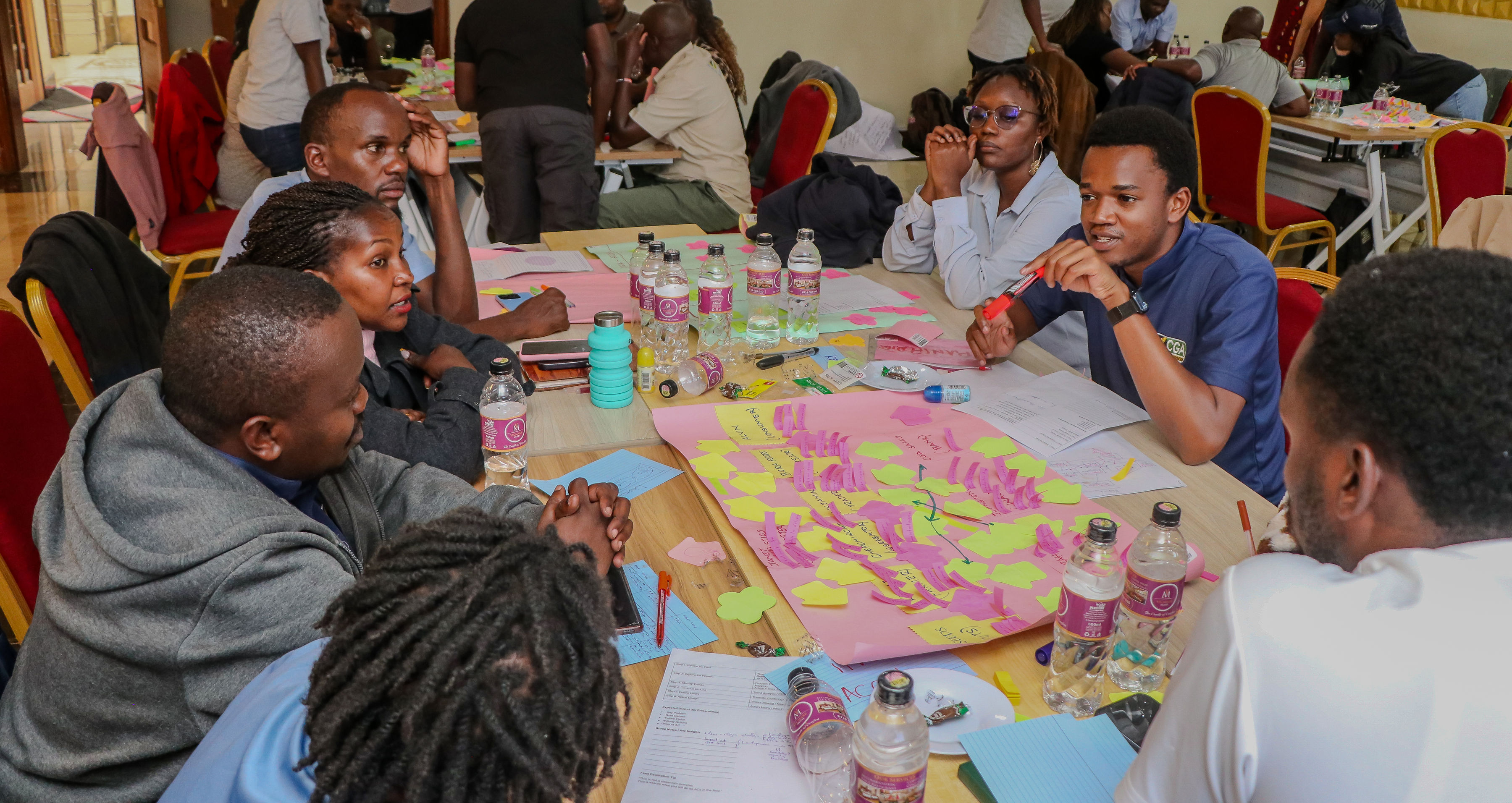
Coach cohort
Field

Bring us your programme or systems challenge.

Tell us what needs to change and who it involves. We will respond with how we would approach it, not with a brochure.

Start an enquiry